The Impact of Building Design on Energy Efficiency
In an era where energy conservation is becoming increasingly important, building design plays a significant role in shaping how much energy a residential or commercial space consumes. From the positioning of windows to the materials used in construction, the decisions made during the design stage can influence energy usage for decades to come.
This blog explores how building designers contribute to sustainable and energy-efficient outcomes, particularly in residential and commercial settings, and why thoughtful design is an essential investment for the future.
How Building Design Influences Energy Efficiency
Building design is more than aesthetics or layout—it’s about integrating systems, orientation, and materials to create a space that works with its environment, not against it. When energy efficiency is prioritised from the outset, it becomes possible to reduce reliance on artificial heating, cooling, and lighting.
Passive Design Principles
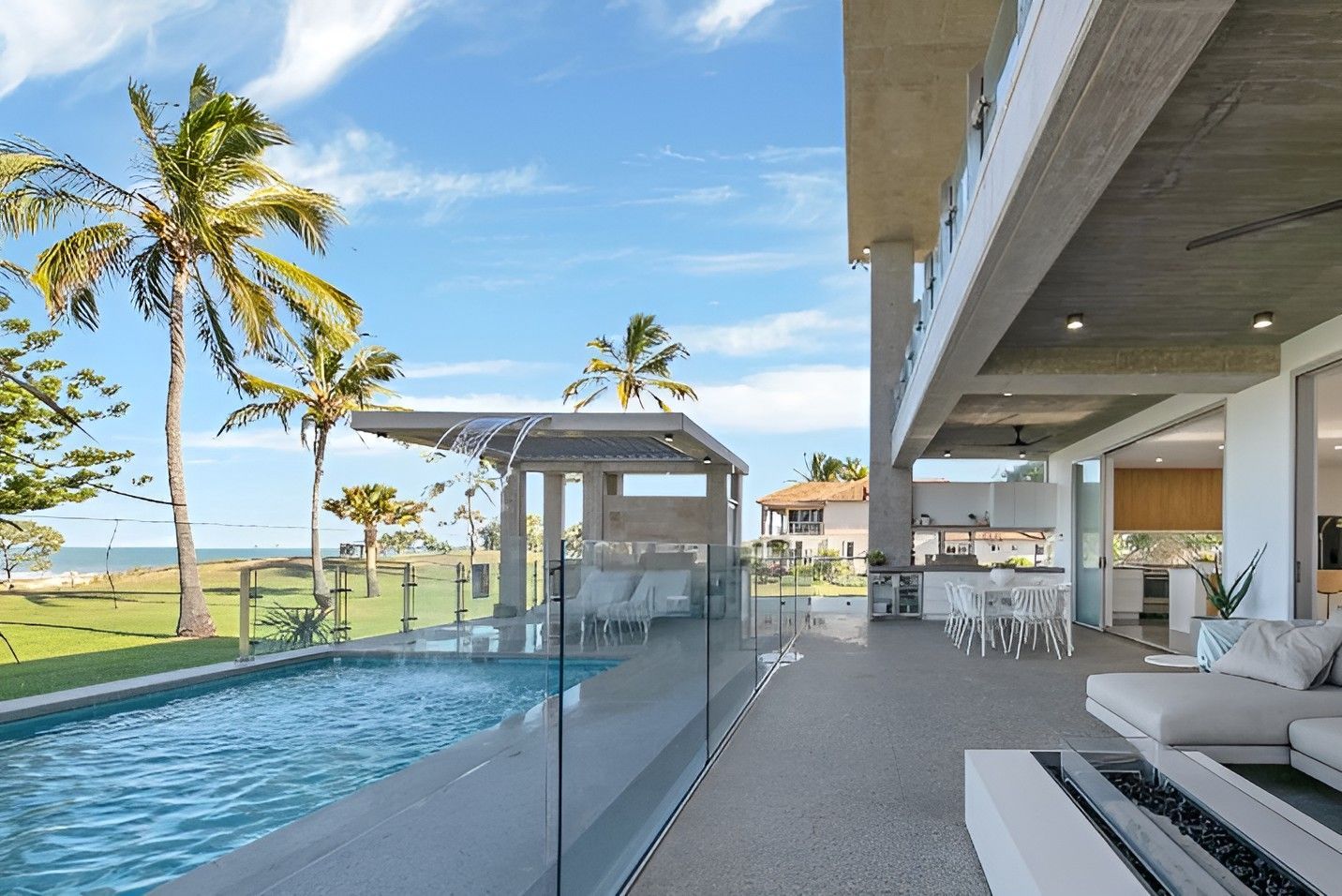
At the core of energy-efficient building design is passive design. This involves using natural resources—like sunlight, shade, and airflow—to maintain a comfortable indoor climate.
Some key passive design considerations include:
- Orientation: Positioning the building to maximise sunlight in winter and shade in summer.
- Window placement & glazing: Choosing locations and materials that optimise light while minimising heat loss or gain.
- Thermal mass: Using materials like concrete or brick that store heat during the day and release it at night.
By applying these principles, building designers create spaces that use less energy year-round, particularly in climates like Queensland's, where both cooling and heating needs can vary.
Residential Building Design & Energy Efficiency
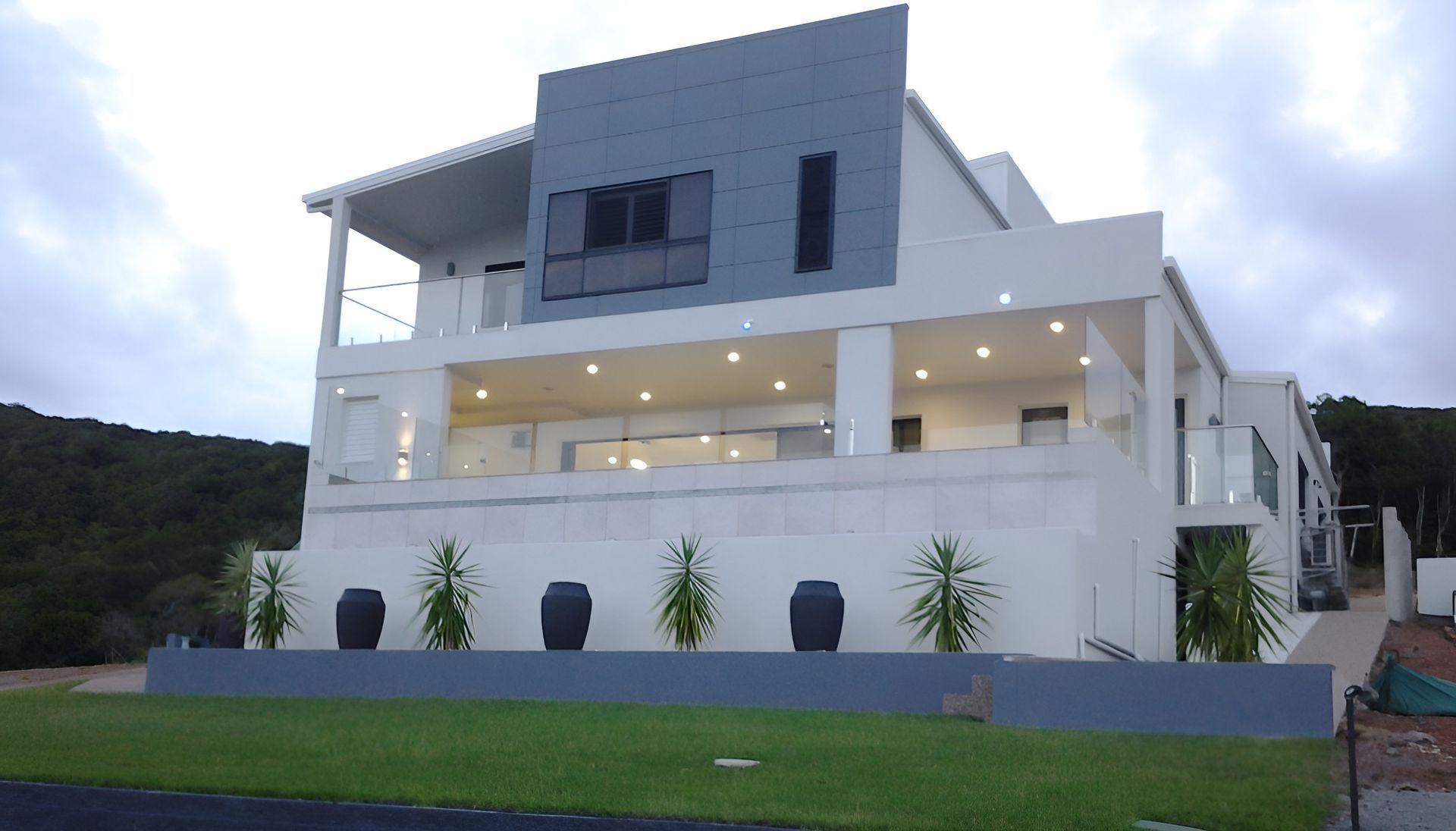
For homeowners, energy-efficient design translates to lower utility bills, increased comfort, and a reduced environmental impact. Whether building a new home or renovating an existing one, the role of a building designer is to consider both form and function with energy use in mind.
Key design features that support efficiency:
- Zoning: Separating living areas into zones that can be heated or cooled independently.
- Natural ventilation: Designing for cross-flow ventilation to reduce dependence on air conditioning.
- Insulation: Selecting wall and roof insulation that suits the regional climate.
- Roof pitch & materials: Considering solar reflectivity and whether the roof will support solar panel installation.
Each of these features is integrated into a custom building design to suit the specific site, usage patterns, and preferences of the occupant.
Commercial Building Design & Sustainability
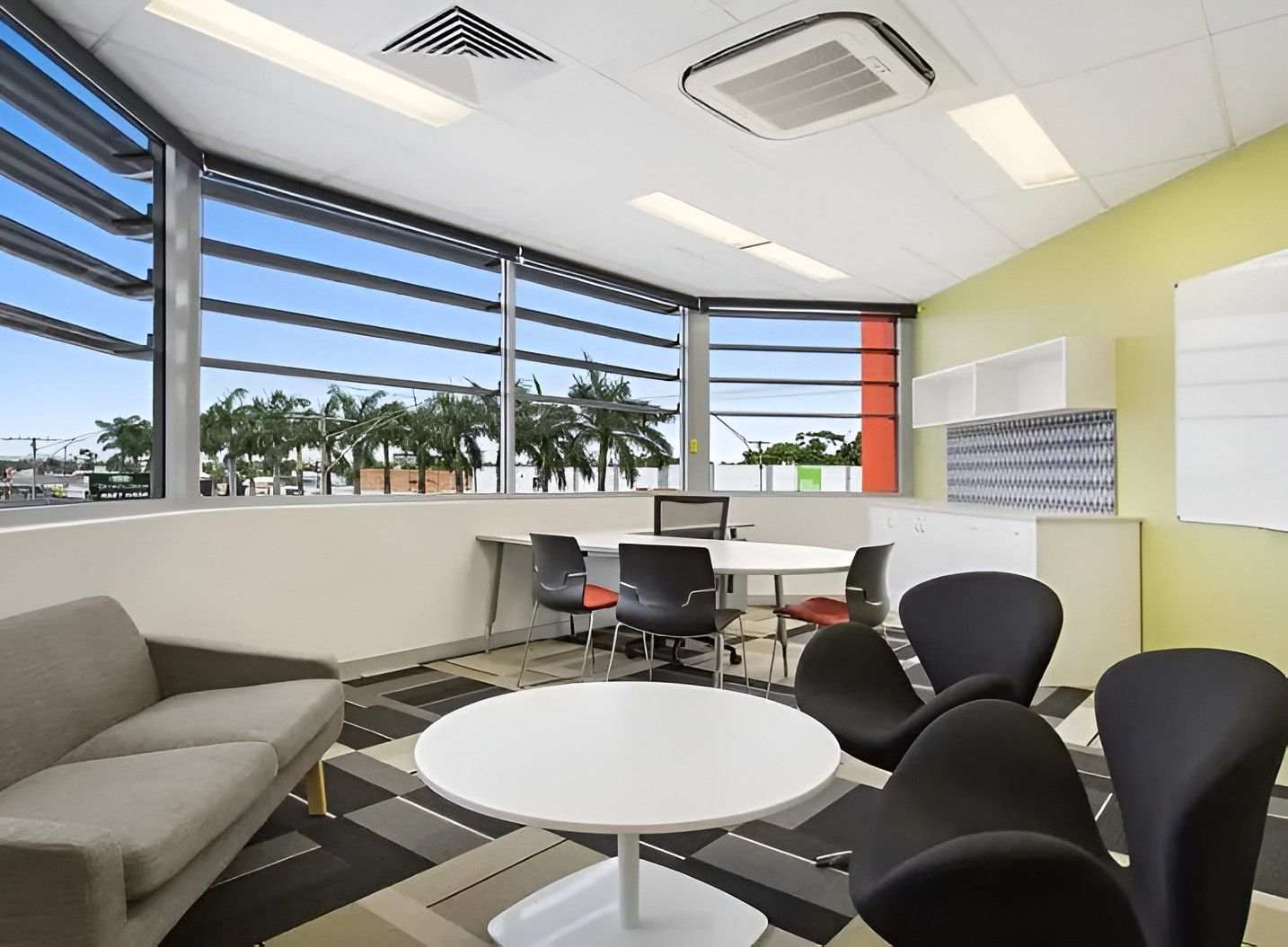
In commercial settings, energy use tends to be higher and more consistent. For that reason, incorporating efficiency into the early design stages is even more critical. Building designers who work on office buildings, retail spaces, or light industrial premises can tailor the layout to reduce operational costs and meet environmental targets.
Features common in commercial energy-conscious design:
- Daylighting: Designing with skylights or clerestory windows to reduce reliance on artificial lighting.
- Efficient layout: Positioning equipment, workstations, and public areas to reduce overuse of HVAC systems.
- Shading devices: including external shading or brise-soleil to control solar heat gain.
- Green roofs or reflective roofing: mitigating the heat island effect, especially in urban environments.
With thoughtful design, commercial buildings can meet NABERS or Green Star benchmarks, supporting sustainability goals while improving day-to-day performance.
The Role of Materials in Sustainable Building Design
Building designers work closely with materials that contribute to long-term performance. Selecting appropriate construction materials is not only about structural soundness—it also influences insulation, air-tightness, and durability.
Considerations in material selection:
- Low-emissivity glazing helps keep heat inside during winter and outside during summer.
- Recycled or locally sourced materials: Reduce embodied energy and environmental footprint.
- Wall & ceiling insulation: Traps heat or cool air inside, depending on the season.
- Timber cladding or lightweight panels can be used strategically to increase or decrease thermal mass as needed.
Every material choice contributes to the building’s overall efficiency and performance.
Site-Specific Building Design for Energy Savings
No two sites are the same. The location, size, slope, and surrounding environment of a lot all influence how a building should be designed for efficiency. Building designers assess these variables to craft tailored solutions.
Site factors that influence energy use:
- Prevailing winds can inform ventilation strategies and window placement.
- Shading from trees or neighbouring structures affects sunlight access.
- Topography may impact drainage, insulation needs, or solar access.
- Soil conditions can influence slab type and thermal mass performance.
Rather than applying a one-size-fits-all design, a site-responsive approach helps reduce energy use across both residential and commercial projects.
Meeting Regulatory Requirements
Energy efficiency isn’t just a design choice, it’s a regulatory requirement. Building designers are well-versed in local energy standards, including NatHERS ratings, BASIX (NSW), and Section J compliance for commercial builds.
By working with a building designer who understands these frameworks, property owners can:
- Avoid delays and rework at approval stages.
- Meet compliance thresholds without compromising aesthetics.
- Incorporate smart design from the ground up.
This ensures that every building meets performance expectations while also satisfying legislative obligations.
Why Building Designers Are Vital in the Push for Energy Efficiency
Unlike builders or engineers, building designers bridge the gap between practical construction knowledge and creative energy planning. Their role begins at the concept stage and carries through to documentation and construction support.
By involving a building designer early in your project, you benefit from:
- Tailored advice on energy-saving opportunities.
- Integration of passive and active efficiency features.
- Material and layout choices that reduce long-term costs.
This holistic approach means you don’t just end up with a structure, you gain a well-functioning, future-ready space.
Explore Our Building Design Solutions in Rockhampton
Energy efficiency starts with smart building design. Whether you're planning a new residential build or updating a commercial facility, the right design choices can significantly lower your long-term energy use and environmental impact.
At Capricorn Engineering and Drafting Services, we focus on practical, site-specific solutions that support energy-efficient outcomes in both residential and commercial building design.