How 3D Scanning Improves Residential Building Design Accuracy
Modern residential building design has moved well beyond sketchpads and tape measures. As homes become more complex and tailored to site-specific needs, the demand for accurate, real-world data at the early stages of a project is growing fast. One of the most powerful tools Capricorn Engineering and Design Services offers to support this shift is 3D laser scanning.
For those involved in residential building design Yeppoon — whether you're a homeowner planning a renovation or a building professional managing a new build — 3D scanning offers a smarter, more efficient way to gather detailed information before any design work begins. The result? Better planning, fewer surprises and stronger outcomes at every stage of the project.
Why Accuracy Matters in Residential Building Design
Even small measurement errors can trigger costly setbacks in residential projects. A slightly misplaced wall or overlooked slope can disrupt floor plans, clash with structural elements or affect drainage. Accurate data is the foundation of quality design, and that begins with the way site information is captured.
Common risks from inaccurate site measurements include:
- Rework due to structural misalignment
- Design mismatches during construction
- Extra costs to adjust builds mid-project
- Delays caused by unforeseen site constraints
3D scanning reduces these risks by replacing guesswork with precision from the outset.
What Is 3D Scanning in Building Design?
3D scanning uses laser-based technology to capture millions of data points from a physical space. These points are compiled into a “point cloud,” which accurately represents the structure, terrain and surrounding features in digital form.
For residential design, this allows:
- Full site & structure measurement in a single visit
- Capture of slopes, heights & angles with millimetre accuracy
- Quick data collection for existing homes, extensions or vacant land
- Creation of precise models that reflect real-world conditions
This digital approach brings a new level of clarity to the design phase and helps avoid costly surprises later.
Streamlining Site Analysis & Planning
Traditional methods of site measurement often involve manual calculations, multiple return visits and risks of human error. With 3D scanning, the process becomes faster and more reliable, offering clear benefits for design professionals and homeowners alike.
Advantages include:
- Reduced need for return site visits
- Clear digital files that can be shared with consultants & builders
- Efficient data storage for future planning or alterations
- Immediate visibility of access issues, elevation changes or constraints
This helps building designers and clients make informed choices from day one.
Improving Collaboration Across Project Teams
Residential building design Yeppoon is rarely conducted in isolation. Projects rely on input from builders, engineers, certifiers and suppliers. When all parties have access to the same accurate site data, the entire process becomes more seamless.
3D scanning supports collaboration by:
- Allowing all teams to view & reference the same 3D model
- Reducing miscommunication between disciplines
- Supporting integration with design platforms like Revit or ArchiCAD
- Helping resolve conflicts between structure and design early
With better data at hand, teams can problem-solve sooner and avoid conflicts on site.
Supporting More Confident Renovation & Extension Projects
Existing homes are often more challenging to design around due to unknowns — walls that aren't straight, undocumented additions or irregular layouts. 3D scanning captures the full detail of what’s actually there.
This makes a major difference when:
- Planning extensions that need to tie in seamlessly with old structures
- Designing around heritage homes or sloped blocks
- Working within tight boundary setbacks or easements
- Assessing internal ceiling heights, overhangs or door clearances
With a precise digital model, building designers can plan with greater confidence and accuracy.
Reducing Rework During Construction
Mistakes caught during construction are usually expensive. Walls may need to be pulled down, plumbing re-routed or fixtures reordered. Many of these issues trace back to poor initial measurements.
3D scanning minimises these risks by:
- Aligning the design with real-world measurements from the start
- Highlighting conflicts before materials are ordered
- Supporting tighter tolerances during construction
- Allowing virtual testing of design solutions before they’re built
Better design leads to smoother builds, saving time and budget.
Faster Turnaround on Design Concepts
Because 3D scanning produces comprehensive data so quickly, it allows building designers to start earlier. This speeds up the delivery of concept drawings and helps clients visualise the project sooner.
Faster design progress means:
- Quicker delivery of initial layouts & renders
- More time for client feedback & revisions
- Shorter delays between site inspection & design commencement
- Earlier submission to certifiers or councils
For homeowners, this means less time waiting and more time planning the build.
Designing with Complex or Constrained Sites
Many blocks in Yeppoon and surrounding areas include steep terrain, tight access or limited build zones. These factors can make design more complicated and increase the risk of planning setbacks.
3D scanning gives designers:
- Full visibility of elevation changes & boundary limitations
- Better positioning for views, sunlight & breeze flow
- Easier integration with retaining features or cut-and-fill zones
- Accurate modelling of site constraints before drawing begins
This allows more creative and practical solutions tailored to the site.
Improving Visualisation for Clients
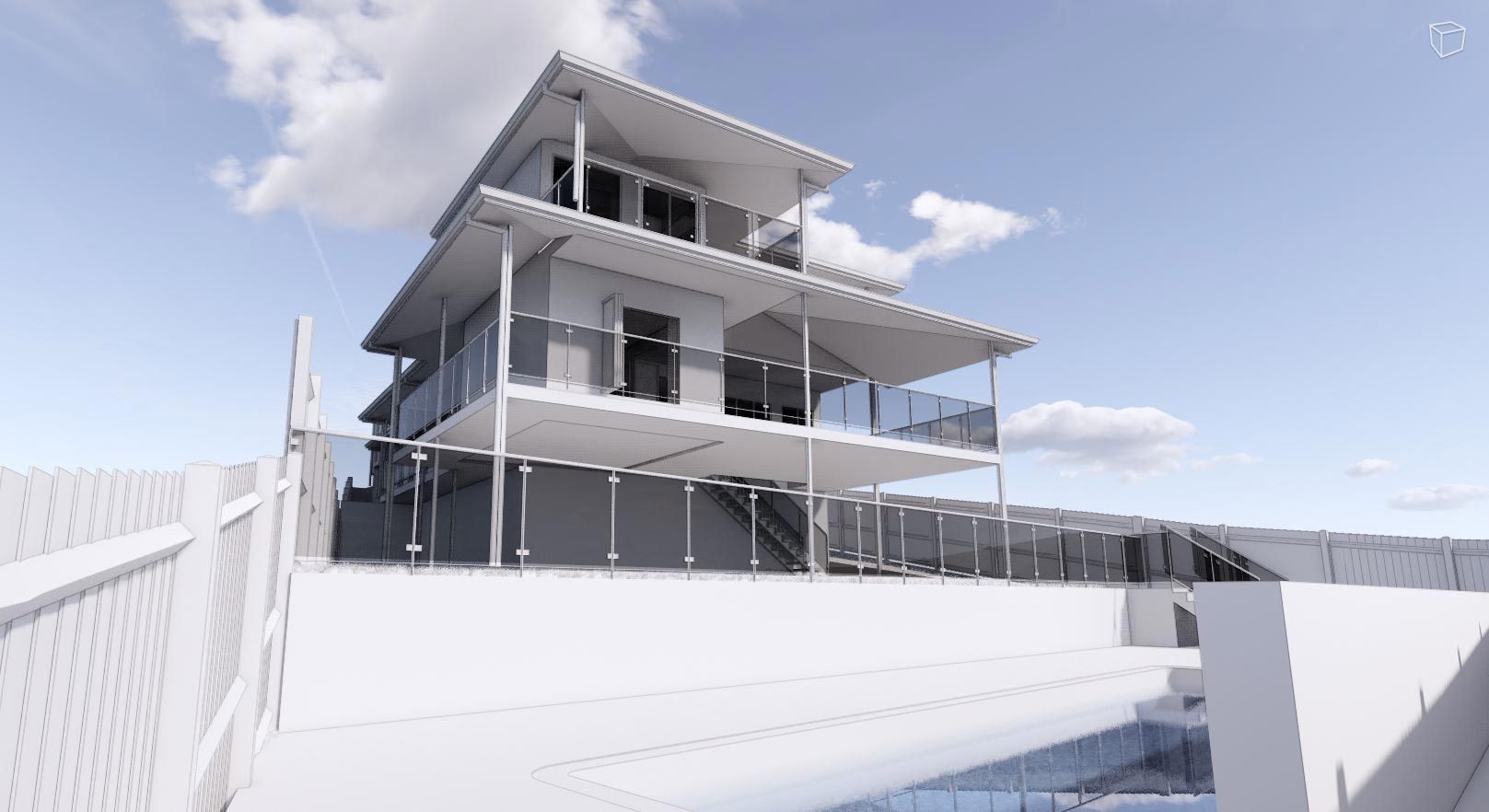
3D scans can be integrated with design software to produce virtual walk-throughs, interactive plans and lifelike renders. This makes it easier for clients to understand how their future home will look and feel.
Benefits of enhanced visualisation include:
- Fewer misunderstandings around design intent
- More confident decision-making around layout & finishes
- Better communication between designer & client
- Greater satisfaction with the final outcome
It bridges the gap between technical plans and a homeowner’s vision.
Why Building Designers Should Embrace 3D Scanning
When it comes to residential building design Yeppoon, 3D scanning isn’t just a helpful tool — it’s a smarter way to work. It supports better communication, faster turnaround, higher accuracy and more informed design decisions across every stage of a project.
The technology is especially useful when:
- Designing new homes on sloped or irregular land
- Planning extensions with complex tie-ins
- Renovating existing structures with limited documentation
- Working to tight timeframes or council deadlines
By integrating 3D scanning into the design workflow, building designers can elevate the quality and consistency of their service.
Ready for Reliable Residential Building Design in Yeppoon?
By combining our design expertise with modern tools like 3D scanning, we help homeowners and professionals bring smarter, better-planned projects to life. Whether you’re planning a renovation, extension or new home, accurate site data gives your design the best possible foundation.
If you're searching for reliable residential building design near you — or want to explore how 3D scanning can enhance your project —
get in touch with
Capricorn Engineering and Design Services today. Let’s create something great, from the ground up.